Style
Watercolor AI Art Style
Watercolor rewards restraint: loose washes, visible paper and edges that bloom where pigment met water. Prompts work best when they describe what stays unpainted as much as what gets painted. The recipes below cover villages, botanicals, animals and street sketches.
Watercolor examples
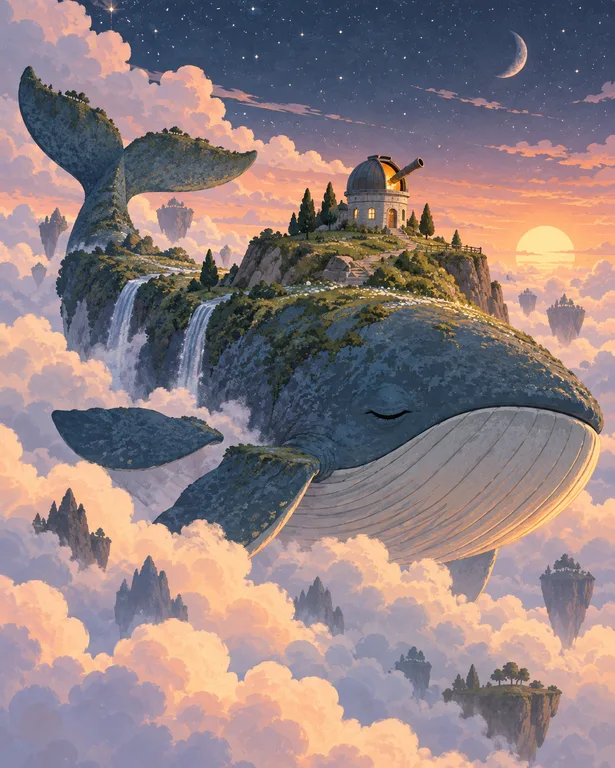
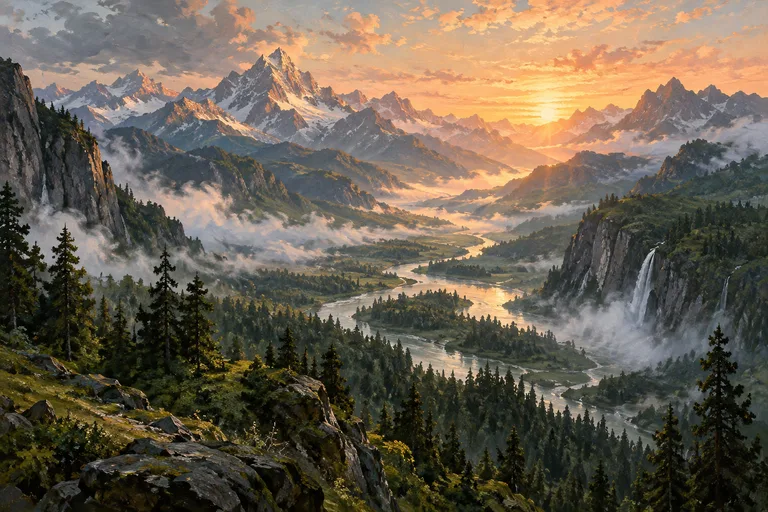
What defines watercolor art
- Transparent layered washes with soft, blooming edges
- Cold-press paper texture with white paper showing through
- Loose, suggestive detail rather than tight rendering
- Small, harmonious palettes with granulating pigments
- Occasional drips, backruns and pencil under-drawing
Prompt recipes
Hillside Fishing Village
watercolor painting of a small hillside fishing village, whitewashed houses with blue shutters, boats in the harbor below, loose washes, white paper left bare for the brightest parts of the sky, soft bleeding edges, visible cold-press paper texture
Asking for bare paper in the highlights mimics how watercolorists preserve light instead of painting it.
Try this promptFoxglove Botanical Study
botanical watercolor study of a foxglove stem with buds and open flowers, faint pencil under-drawing visible, delicate layered washes in rose and violet, generous margins on off-white paper, scientific illustration layout
Visible under-drawing adds construction lines that make a study look hand-made.
Try this promptFox Curled in Snow
loose watercolor of a red fox curled up in fresh snow, almost no background, wet-in-wet blooms of orange and burnt sienna, cool blue shadows, most of the paper left white, expressive brush marks
Leaving most of the page white lets the warm pigment of the fox carry the whole image.
Try this promptCafé Terrace in the Rain
watercolor and ink sketch of a corner café terrace in the rain, loose linework, open umbrellas, a waiter carrying cups, puddle reflections suggested with quick strokes, muted sepia and slate palette, travel sketchbook feel
Ink gives structure to loose color, which helps busy street scenes stay readable.
Try this prompt
Tips
- Say which areas should stay white; negative space is part of the medium.
- Use 'wet-in-wet' for soft blends and 'dry brush' for texture on bark or stone.
- Hold the palette to three or four pigments to avoid muddy mixes.
- Simplify the subject, since fine detail works against the medium's loose character.