Style
Vintage AI Art Style
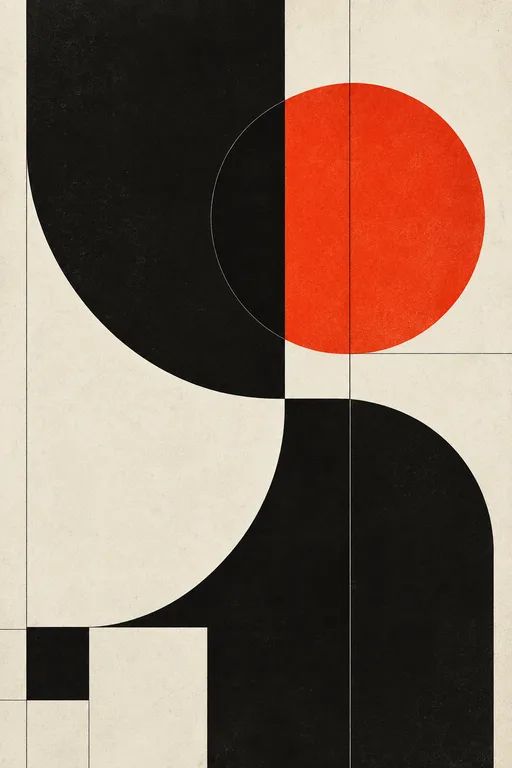
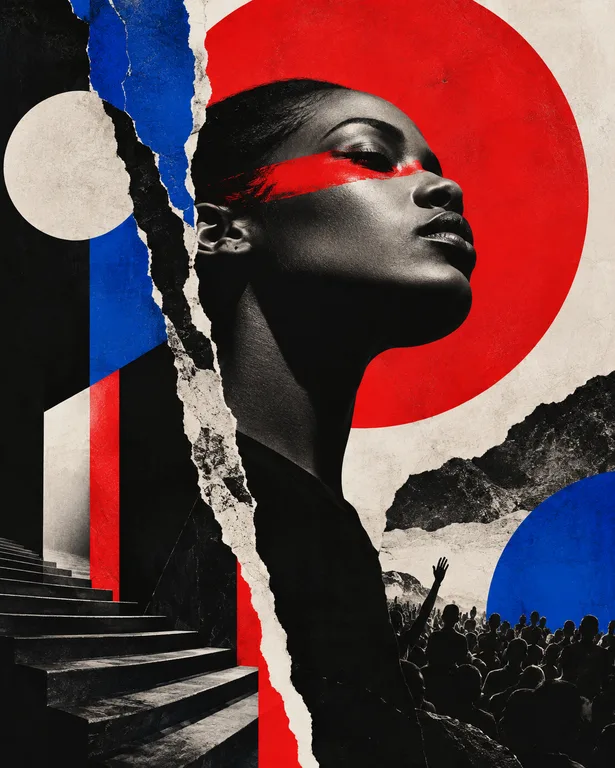
Vintage style comes from the fingerprints of older media: film grain, faded dyes, halftone printing and mid-century graphic shapes. Naming the medium and roughly when it was made gives the model far more to work with than the word 'retro' alone. These recipes span travel posters, snapshots, labels and postcards.
Vintage examples
What defines vintage art
- Faded, warm-shifted color with lifted blacks
- Film grain, light leaks or aged paper
- Flat mid-century shapes with room for typography
- Limited ink palettes from older printing processes
- Period-appropriate clothing, vehicles and objects
Prompt recipes
Lighthouse Travel Poster
vintage travel poster of a fictional coastal town, stylized cliffs and a striped lighthouse, flat screen-printed colors in teal, coral and cream, subtle paper grain, simple geometric clouds, clear space at the bottom for a title
Screen-print wording encourages flat color areas that look printed rather than painted.
Try this prompt1970s Lakeside Picnic
faded 1970s instant photo of a family picnic by a lake, warm color shift, soft focus, light leak in one corner, checkered blanket, thermos and sandwiches, candid laughter, slightly overexposed sky
The decade plus the specific film format tells the model exactly which color shift and softness to imitate.
Try this promptGinger Soda Label
retro mid-century label design for a fictional ginger soda called 'Zephyr', starburst shapes, cream background, red and turquoise inks, slight print misregistration, worn paper texture
A single short quoted word is the most reliable way to test lettering; longer phrases are more likely to garble.
Try this promptRoadside Motel Postcard
1960s linen-texture postcard of a roadside motel at dusk, saturated hand-tinted colors, glowing sign without legible words, vintage cars in the lot, palm trees, soft printed dot texture
Linen texture and hand-tinting are specific postcard traits that separate this look from a modern photo filter.
Try this prompt
Tips
- Name both the medium (instant photo, screen print, postcard, magazine ad) and the decade.
- Add aging cues such as grain, fading, dust or misregistered inks.
- Keep printed looks to three or four inks.
- Invent names for any products or places so the work stays original.