Style
Cinematic AI Art Style
A cinematic image feels like a single frame pulled from a film: wide framing, deliberate lighting and a graded palette that sets the mood. The recipes below describe shots in the vocabulary of cinematography, which gives the model clear direction. Pair them with a widescreen ratio for the full effect.
Cinematic examples
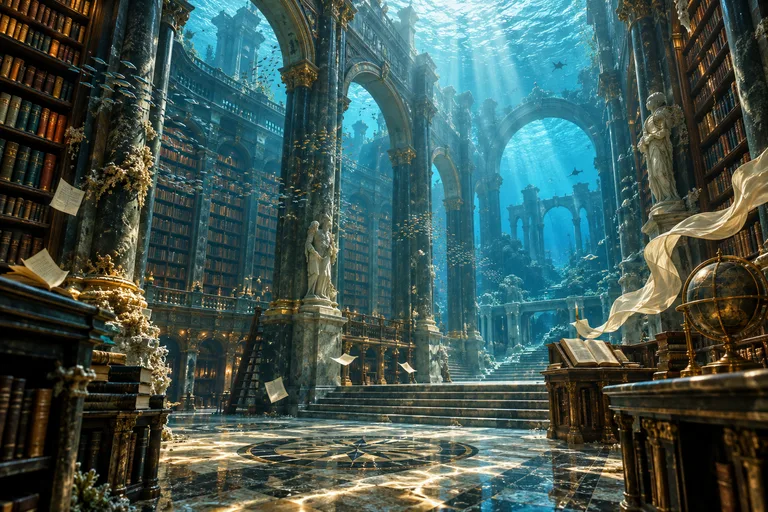
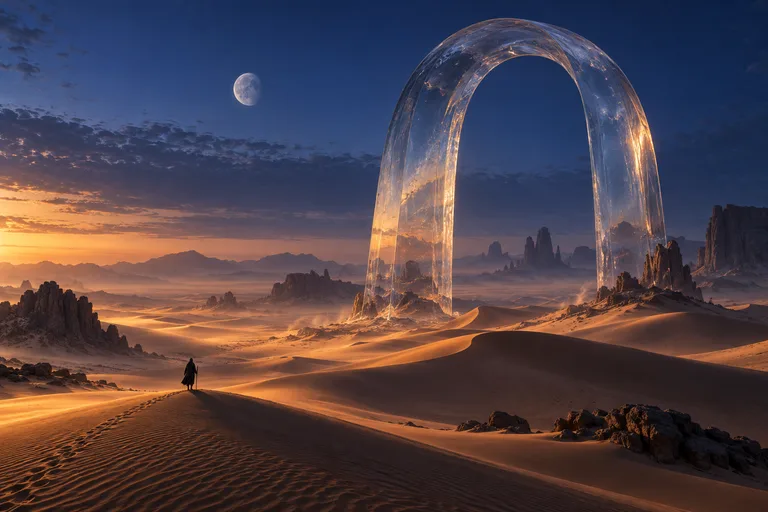
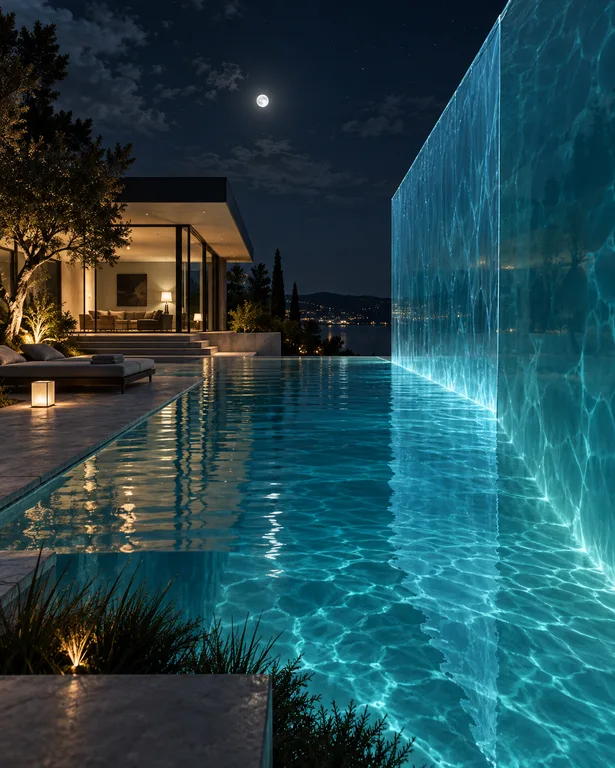
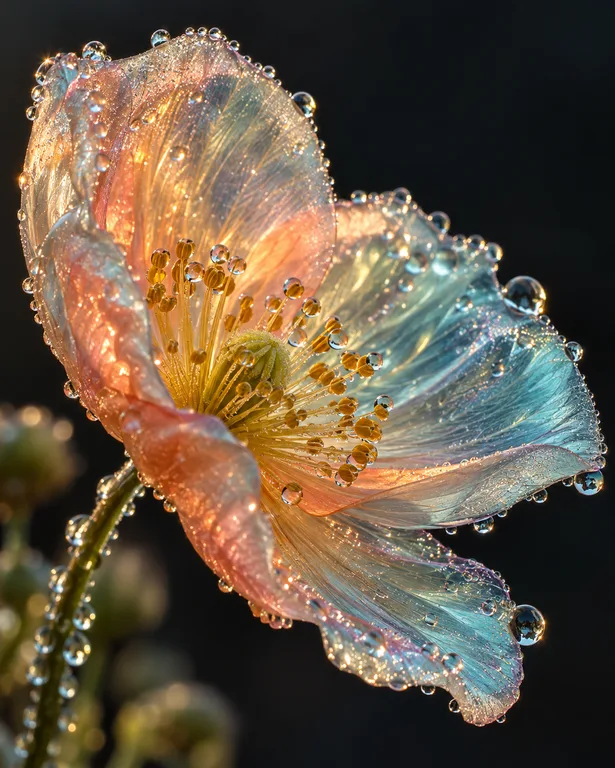
What defines cinematic art
- Widescreen compositions with intentional negative space
- Motivated light from practical lamps, windows or signage
- A defined color grade, often built on complementary tones
- Haze, rain, dust or smoke that catches and shapes the light
- A story implied by one moment rather than a posed subject
Prompt recipes
Roadside Diner, 3 a.m.
cinematic wide shot of a lone waitress wiping the counter in an empty roadside diner at 3 a.m., fluorescent light inside, deep blue night beyond the windows, reflections on chrome stools, subtle anamorphic lens flare, quiet melancholy mood, letterbox framing
One practical light source and a strong inside-outside color contrast create a graded look without naming a specific grade.
Try this promptCaravan Reaching a Desert Town
cinematic establishing shot of a dusty caravan arriving at a walled desert town at golden hour, long shadows across the sand, heat haze, figures small in the frame, warm amber and pale sky-blue palette, epic scale
Keeping people small in a wide frame signals an establishing shot and lets the landscape carry the scale.
Try this promptInterrogation Room Close-Up
tight cinematic close-up of a detective leaning over a metal table, single overhead lamp, dust drifting in the lamp's beam, hard shadows under the eyes, teal and sodium-orange grade, shallow focus, tense atmosphere
Hard top light and a tight crop build tension, and the drifting dust gives the beam a visible shape.
Try this promptStrangers on a Rainy Platform
cinematic medium shot of two strangers sharing an umbrella on a train platform in heavy rain, backlit by the headlight of an arriving train, glowing rain streaks, soft background, muted green and warm white palette
Backlighting rain makes individual drops visible, a long-standing trick for adding atmosphere.
Try this prompt
Tips
- Put the shot type (wide, medium, close-up) before the subject; it sets the camera distance.
- Give every light a source such as a lamp, a sign or a window, so the lighting looks intentional.
- Pick a two- or three-color palette and name it outright.
- Add one atmospheric element, like haze or rain, so the light has something to reveal.
- Choose 16:9, or 21:9 on models that support it; square crops lose the film feel.