Style
Photorealistic AI Image Style
Photorealism depends on the details a camera would record: light direction, lens behavior, surface texture and small imperfections. The recipes on this page describe scenes the way a photographer would plan them. Use the preset for a sensible starting ratio and intent.
Photorealistic examples
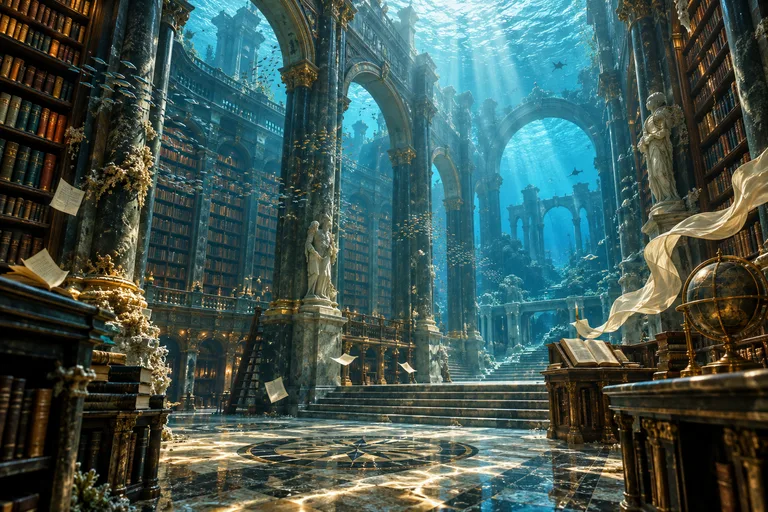
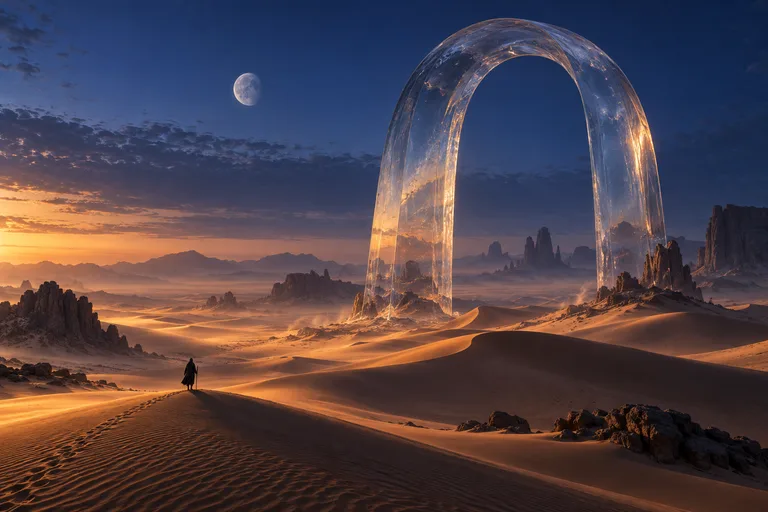
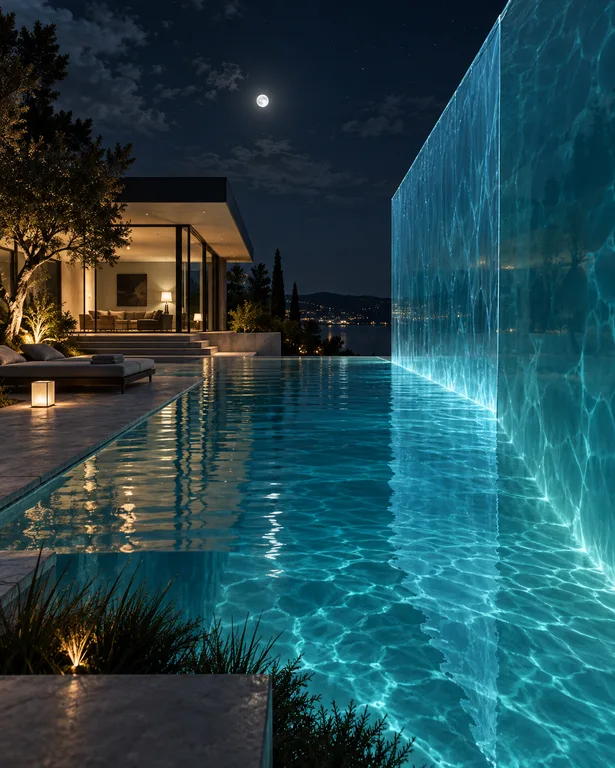
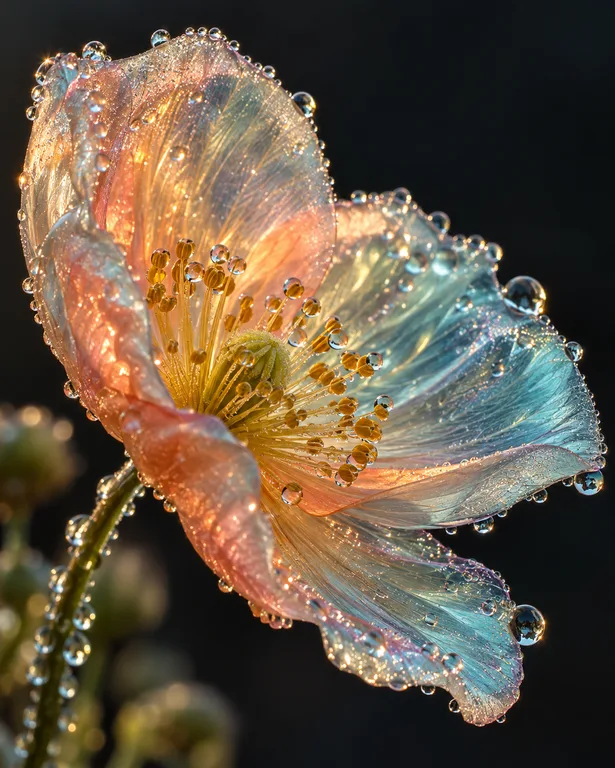
What defines photorealistic art
- Physically plausible lighting with consistent shadow direction
- Natural skin, fabric and material texture instead of airbrushed surfaces
- Depth of field and perspective that follow real lens behavior
- Restrained color close to what a camera sensor captures
- Small real-world imperfections such as dust, creases and stray hairs
Prompt recipes
Clockmaker at the Bench
photograph of an elderly clockmaker at his workbench, loupe over one eye, morning window light from the left, shallow depth of field on an 85mm lens, brass gears and tiny screwdrivers in the foreground, natural skin texture, muted warm tones
Stating the lens and the side the light comes from fixes perspective and shadows, the two things that most often give away a synthetic image.
Try this promptFishing Harbor at Sunrise
wide photograph of a small fishing harbor at sunrise, low fog over the water, wooden boats with peeling paint, gulls perched on mooring posts, soft backlight, 35mm lens, realistic color, slight film grain
Weathered surfaces such as peeling paint give the model texture to render, and texture is what reads as real.
Try this promptKitchen Table After Breakfast
overhead photograph of a rustic kitchen table after breakfast, half-eaten sourdough, crumbs, a chipped enamel mug with coffee rings, crumpled linen napkin, daylight from a north-facing window, true-to-life color, sharp focus throughout
Leftover mess signals an unstaged moment and avoids the too-perfect look of stock renders.
Try this promptCommuters at a Wet Crossing
candid street photograph of commuters crossing a wet intersection at dusk, traffic lights reflected on the asphalt, motion blur on a passing cyclist, 28mm lens at eye level, overcast sky, natural color
Blur on one moving subject implies a real shutter speed, so the frame feels captured rather than constructed.
Try this prompt
Tips
- Name a focal length (24mm, 50mm, 85mm) to control perspective and how much the background compresses.
- Say where the light comes from and what it falls on; 'good lighting' on its own tends to produce flat results.
- Include one or two imperfections, because perfectly clean surfaces are a common giveaway.
- Leave out words like 'hyperrealistic' or '8K'. Concrete camera and material details do far more.