Style
Comic Book AI Art Style
Comic art is built on ink: heavy outlines, spotted blacks and flat color that prints cleanly. Prompts that mention inking, halftone dots and dramatic camera angles get closer to the printed page than a generic request for 'comic style'. Invent your own heroes and scenarios; the look holds up without borrowing existing characters.
Comic Book examples
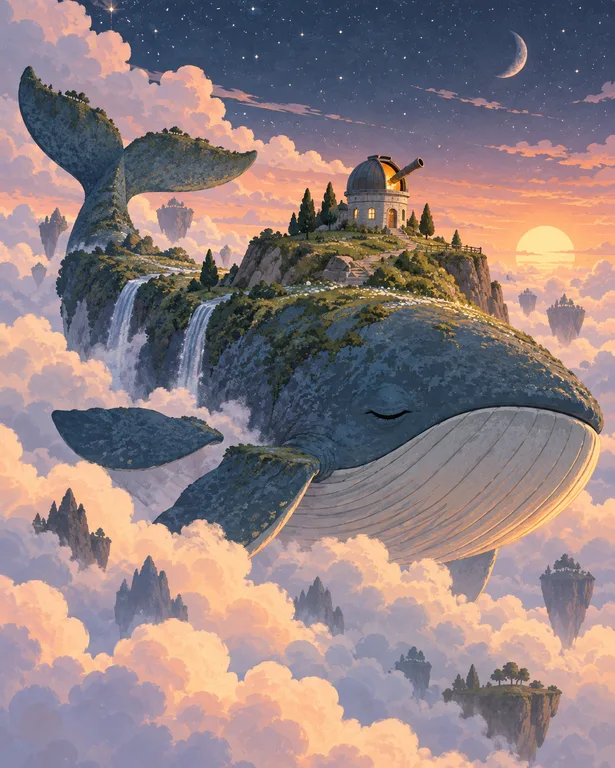
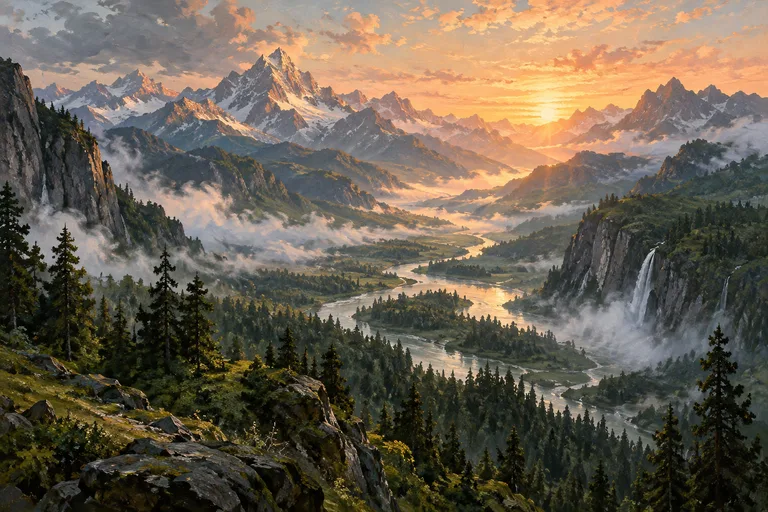
What defines comic book art
- Bold black outlines and spotted shadow shapes
- Flat or halftone-dot coloring with few gradients
- Dynamic foreshortening and dramatic camera angles
- Speed lines, action lines and impact effects
- Exaggerated poses and expressive faces
Prompt recipes
Rooftop Leap
comic book panel of an original masked hero leaping between rooftops at night, extreme foreshortening with one boot toward the viewer, bold ink lines, heavy spotted blacks, halftone dot shading, red and mustard-yellow costume, speed lines
Foreshortening toward the viewer is one of the quickest ways to make a panel feel dynamic.
Try this promptDiner Showdown
comic book illustration of a retired inventor facing off against a clunky tin robot in a 1950s-style diner, exaggerated expressions, flat colors with halftone texture, bold outlines, playful pulp adventure tone
Naming the tone, here playful pulp, steers expressions and color toward lighthearted rather than gritty.
Try this promptMoon Explorer Cover
comic cover-style illustration of an original space explorer standing on a cratered moon, a ringed planet rising behind her, dramatic low angle, bold inks, vintage four-color printing look, empty space at the top for a title
Reserving empty space at the top leaves room to add a masthead in a design tool afterwards.
Try this promptNoir Letter by Lamplight
single comic panel of a detective reading a letter by lamplight, rain on the window, heavy noir inking, limited palette of black, cream and one muted blue, strong shadows cutting across the face
A three-color palette and hard shadows give a noir mood that full color would dilute.
Try this prompt
Tips
- Mention 'bold ink lines' and 'halftone' explicitly to keep results away from painted illustration.
- Exaggerate poses and camera angles; comic art favors drama over realism.
- Limit the palette for a printed feel, especially for vintage or noir work.
- For covers, ask for empty space where the title will go and add the lettering later.