Style
Editorial AI Art Style
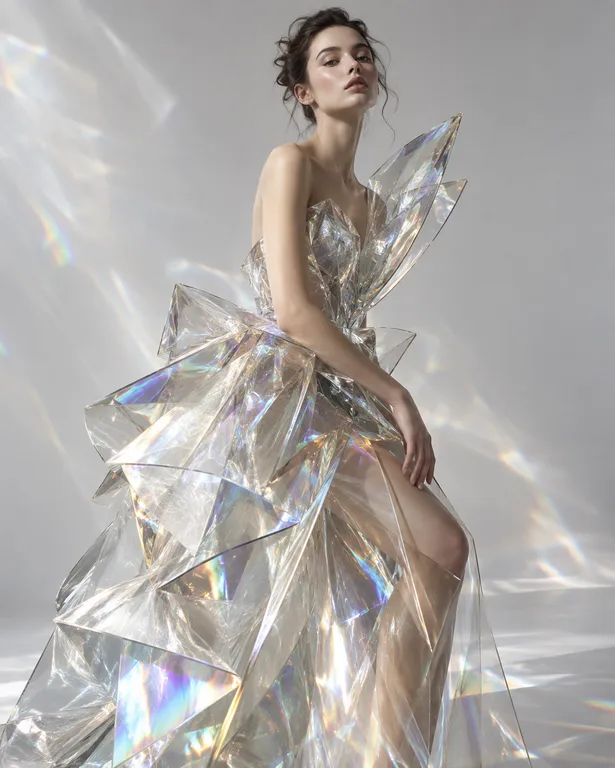
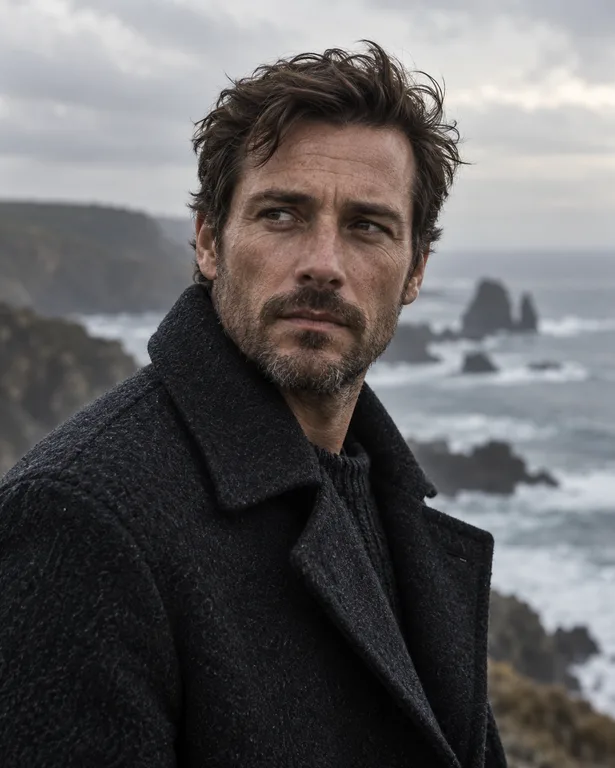
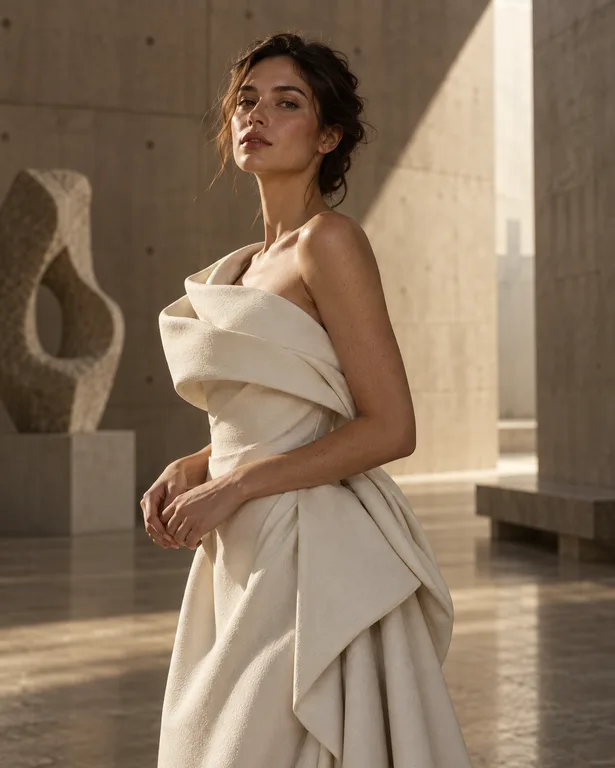
Editorial imagery looks art-directed: a clear concept, deliberate styling and space left for a headline. It sits between fashion and documentary photography, with stronger ideas than stock images and less artifice than advertising. Use these recipes for features, covers and brand stories.
Editorial examples
What defines editorial art
- A clear visual concept behind every frame
- Styled wardrobe, props and set dressing
- Negative space planned for headlines and captions
- Bold but controlled color, often a single backdrop hue
- Direct, confident poses and eye contact
Prompt recipes
Architect in a Concrete Shell
editorial portrait of a middle-aged architect standing inside an unfinished concrete building, arms crossed, charcoal suit, hard afternoon sunlight cutting geometric shadows across the walls, generous negative space on the right, magazine feature photography
Placing the subject in her own work environment tells the reader who she is before they read a word.
Try this promptCobalt Color Block
editorial fashion photograph of a person in a mustard wool coat against a saturated cobalt paper backdrop, one matching cobalt chair, hard flash with a crisp shadow, minimal styling, confident pose
A complementary coat and backdrop create instant contrast with almost no set dressing.
Try this promptCircuit-Board Lemon
conceptual editorial still life for a science article, a lemon sliced open to reveal tiny circuit-board patterns inside, placed on a clean white plinth, soft shadow, pastel yellow background, precise studio lighting
One surprising idea, shot cleanly, is the core of conceptual editorial work.
Try this promptCommunity Garden Volunteer
documentary-leaning editorial photo of a community garden volunteer holding a crate of tomatoes, overcast natural light, rows of plants behind her, authentic expression, subtle color grade, shallow depth of field
Soft overcast light and a candid expression keep the portrait honest rather than glossy.
Try this prompt
Tips
- Start with the idea: what should the reader grasp at a glance?
- Leave negative space on one side if the image will carry a headline.
- A single saturated backdrop color makes the subject stand out without clutter.
- Describe wardrobe and props with exact colors and fabrics.